The Personal Letter as a Small Ritual of Connection
A personal letter turns distant connection into a deliberate ritual, using pace, physical form and thoughtful details to make attention tangible.
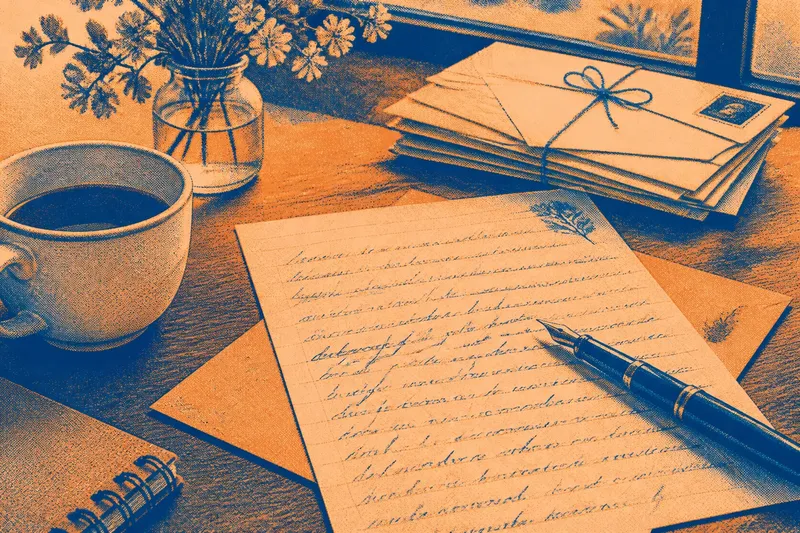
A personal letter asks for a chair, a pen and a little time that cannot be skimmed at a glance. That is part of its appeal: the ritual of letter writing sustains connection across distance by giving attention a shape, not by competing with modern messaging on speed.
1. The page gives attention a pace
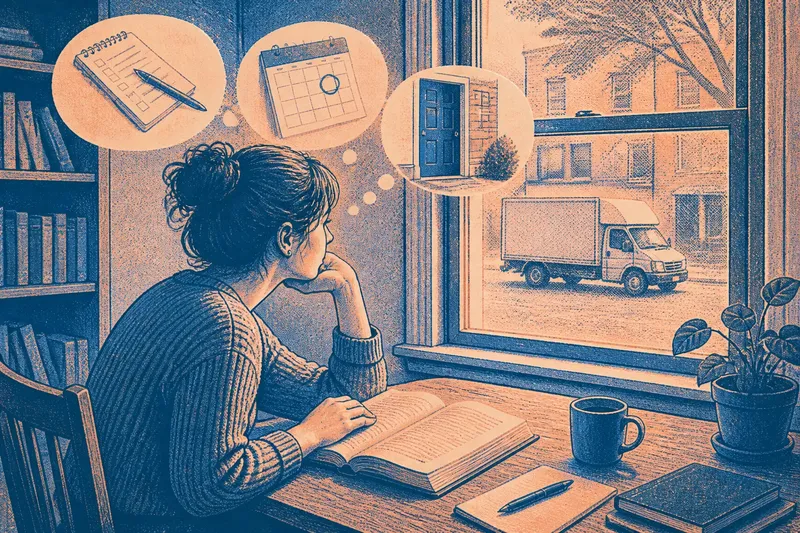
A message can be sent while walking to the bus; a letter usually waits until its writer can sit down. That pause changes the task. Instead of reacting to the latest detail, the writer has room to choose what deserves telling and how one thought leads to another.
The slower pace is not a virtue contest. A rushed note can be affectionate, and a long letter can be dull. The useful difference is that paper gives the writer fewer prompts to switch topics and fewer visible signals demanding an immediate reply.
Imagine someone whose sibling has moved to another state. They set aside a quiet stretch on Sunday, write about a neighbor’s overenthusiastic tomato plants and ask how the new apartment feels after a month. The expected result is not a dramatic revelation; it is a note with enough texture to invite a real response.
Settle on a time when you can write without treating the page as another inbox.
2. The form turns ordinary details into keepsakes
Paper carries information beyond the sentences. Handwriting, a crossed-out phrase, the date at the top and the choice of envelope make the exchange recognizably personal. None of these details has to be artful. Their meaning comes from being particular to the person who made them.
That physical form also changes what can be kept. A letter can be folded into a book, pinned beside a desk or rediscovered in a drawer. It becomes a small object associated with a relationship, rather than a thread that may be buried among other conversations.
Choosing a postcard, stationery, a plain notebook page or a card is part of the ritual, but elaborate supplies are not required. A dependable pen and paper that accepts its ink without smearing are usually enough. The page should suit the writer, not audition for a stationery catalogue.
3. A letter makes room for a longer kind of attention
Conversation moves between people in turns; a letter lets one person finish a thought before the other answers. That can make it easier to describe a mixed feeling, tell a story in sequence or revisit an earlier subject without asking for the floor.
The reader receives that attention later and on their own terms. They can reread a passage, pause, or return after a distraction. This does not make written communication inherently deeper than speech. It simply offers a different arrangement of time, which can be useful when people live far apart or keep different daily schedules.
Personal letters also work well when the subject is ordinary. A description of a long grocery line, a recipe that turned out oddly, or the view from a new window can give someone a sense of the writer’s daily surroundings. The point is not to manufacture significance; it is to share a few details that would otherwise pass unmentioned.
4. What should you write, and how often?
What belongs in a first letter?
Start with the reason you thought of the person, then share a few concrete details from your own days. A question tied to something they previously mentioned gives the recipient a clear place to begin, without turning the note into an interview.
How long should a personal letter be?
Long enough to feel considered, short enough that writing it remains manageable. A page with one small story and a sincere question can carry more warmth than several pages assembled from a sense of obligation.
How often should you write?
Choose a rhythm that fits the relationship and the writer’s ordinary schedule, rather than promising a regular dispatch you may resent. A letter can be occasional and still matter; its value does not depend on creating a timetable for affection.
What if the other person does not write back?
A letter is an offer of contact, not a contract. The recipient may have little time, may prefer another way of staying in touch, or may simply not be a letter writer. If the silence matters, ask plainly about their preferred form of contact instead of sending repeated notes that quietly demand repayment.
5. The ritual works best when it stays generous
Because a letter takes effort, it can accidentally acquire the weight of a gift that must be matched. Avoid making the recipient responsible for your time: do not frame the note as evidence that they owe a reply, or make a missed response the subject of a reprimand. Connection is more durable when the gesture leaves the other person room.
Likewise, consider what belongs on paper. A letter may be saved or seen by someone beyond its intended reader, so personal information deserves the same ordinary discretion it would receive in conversation. For sensitive or time-critical matters, use a communication method suited to the need rather than relying on post.
There is no correct handwriting, envelope color or subject. Some people write on a postcard from a local shop; others use a sheet torn from a notebook. The ritual is the deliberate act of making space for one person in a day, then sending words that can arrive at a different pace.
A personal letter is useful precisely because it does not need to improve every conversation or replace familiar ways of keeping in touch. Its modest promise is more specific: time spent shaping a message, a physical trace of that attention and a welcome pause in which the recipient can meet it.